







Ohio cracking down on Medicaid fraud
VW independent staff/submitted information
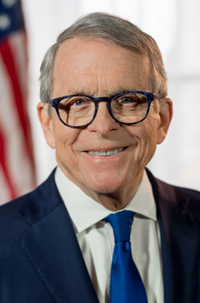
COLUMBUS — Governor Mike DeWine said Wednesday that he is implementing several new fraud prevention initiatives to better fight fraud, waste, and abuse in Ohio’s Medicaid system.
“Ohio has long been a national leader in fighting Medicaid fraud,” he said. In 2018, Ohio became the first state to implement Electronic Visit Verification in home health care. Today, we are ready to begin several new initiatives long in development that will enhance this nation-leading work and further protect taxpayer funds from those trying to defraud the state.
Governor DeWine said he’s directing the Ohio Department of Medicaid to implement the following
Statewide New Provider Moratorium
The Ohio Department of Medicaid will today ask the Center for Medicare and Medicaid Services so Ohio may implement a six-month moratorium on new home-healthcare and hospice businesses being able to become Medicaid providers. This will allow Ohio Medicaid to stop enrollment of new providers and assess existing providers to help remove those at high risk for having committed fraud.
Immediate Payment Suspension to High-Risk Providers
Ohio Medicaid will begin a policy of immediately removing and suspending payment to providers whose billing practices show “red flags” that indicate a high probability of fraud.
Executive Order for Emergency Rules
The Governor will be issuing an executive order that will allow the Ohio Department of Medicaid to implement emergency rules to require more frequent revalidation of providers being identified as higher-risk for committing fraud.
Mandatory GPS Requirement for Electronic Visit Verification
Ohio Medicaid will file rules to require GPS for all providers using Electronic Visit Verification. Since March of last year, Ohio Medicaid has begun phasing in EVV as a mandatory requirement for home healthcare provider payment. In December, DeWine authorized Ohio Medicaid to begin the information technology investments needed to make GPS mandatory for EVV. Ohio Medicaid now ready to make this rule change to implement the requirement.
Mandatory EVV for Live-In Caregivers
Ohio Medicaid will begin the rulemaking process to require live-in caregivers to use EVV during home healthcare and as a requirement for payment. Currently, family and live-in caregivers are exempt from this requirement.
Since the beginning of 2023, Ohio has secured 444 Medicaid fraud indictments, 481 convictions, and 146 civil settlements and judgments resulting in $78.4 million in recovered taxpayer fund.
Providing care in a home setting requires a robust set of controls to detect and prevent fraud. Ohio Medicaid has been proactively evaluating all program integrity initiatives to ensure taxpayer dollars are well spent and that quality care is being provided. The Department has been engaged in a thorough review of programs and policies to evaluate any risks to the integrity of the program, identify potential gaps that could be exploited, and explore opportunities to leverage new and emerging AI and data analytic tools to stay one step ahead of anyone looking to exploit the system.
As part of that work, since the start of 2026, the Department has initiated new prior authorization requirements for high-risk services to ensure medical necessity. Ohio Medicaid launched efforts to build new data analytic capabilities to identify unique outliers in billing patterns, better assess vulnerable business ownership structures, and improve coordination of fraud fighting efforts.
To confirm that billed services are actually rendered, Ohio Medicaid relies on an extensive set of safeguards, including:
- Comprehensive provider screening and continuous compliance monitoring.
- Mandatory electronic visit verification capturing date, time, and service location.
- Advanced analytics that flag unusual billing patterns or service trends.
- Routine and targeted audits performed by program integrity staff.Coordination with state and federal partners when concerns arise.
POSTED: 05/13/26 at 8:34 pm. FILED UNDER: News